Organic fraction
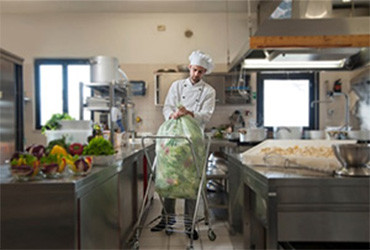
The organic fraction of municipal solid waste, known among the experts as FORSU and among citizens as “wet waste”, is made of food leftovers and other easily biodegradable organic waste: compost may be derived from these elements through the degradation process.
Organic fraction is quite important among waste produced by citizens and collective catering organisations, in that it accounts for 30% of separate collection.
Its recovery, then, is crucial to protect the environment and to produce natural fertilisers.
One issue, though, should not be underestimated: the composting cycle yields good results only when high quality organic fraction is collected in high amounts thanks to the factual contribution of citizens and the involved businesses.
Once the organic component in Municipal Solid Waste (MSW) undergoes the sanitisation and stabilisation processes through bio oxidisation, maturing and refining, it is defined “stabilised organic fraction”.
share on