Biomass
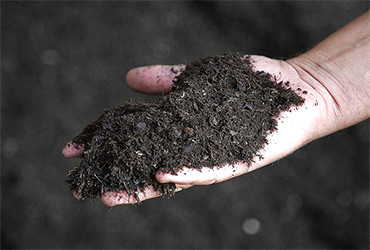
European Directive 2009/28/CE and the following national regulation that transposed it into our law, agree in defining biomass as the “biodegradable fraction of products, waste and residues from biological origin from agriculture (including vegetal and animal substances), forestry and related industries including fisheries and aquaculture, as well as the biodegradable fraction of industrial and municipal waste”.
From this definition it is easy to understand that biomass, which may have animal (zoomass), plant (phytomass) or microbial origin, plays a particularly prominent role as a source of renewable energy: the advantage in using biomass for energy purposes lies in the fact that after combustion the amount of CO2 it gives off is the same that was absorbed by the organic elements it was made of during their growth process. Hence, its use does not release any new carbon dioxide.
share on