The collection fractions
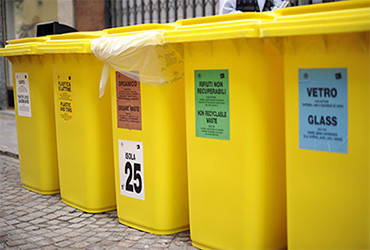
When it comes to separate collection, an initial distinction must be made between the ways to treat the two main waste categories: organic fraction (or “wet waste”) and dry fraction.
While the former is usually bound for composting, the latter is usually directed to recycling.
Ideally all recyclable materials – plastic packaging, glass, metal, paper and cardboard – should be bound to recycling, with the goal of reducing non-separate waste to a minimum.
Each material is obviously reserved to a specific process, though as a general principle, during the sorting process “clean dry fraction” is separated from waste material. While the latter are usually used for Waste Derived Fuel (WDF) or brought to landfills, a network of recycling consortia collects the rest:
- Cna (National Steel Consortium)
- Cial (Aluminium Packaging Consortium)
- Comieco (National Consortium for Recovery and Recycling of Cellulose-based Packaging)
- Corepla (National Consortium for the Collection, Recycling and Recovery of Plastic Waste and Packaging)
- Rilegno (National Consortium for the Collection, Recycling and Recovery of Wooden Packaging)
- Coreve (Glass Recovery Consortium)
- Cobat (National Used Batteries Consortium)
- Coou (Used Oil Consortium).
share on