Anaerobic composting
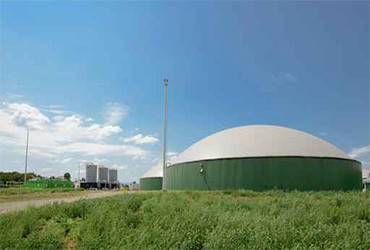
The lack of oxygen is a distinctive characteristic of this biologic decomposition process of animal-origin sludge (also known as “anaerobic digestion”), which differentiates it from aerobic composting.
Bacteria naturally found in sludge, solid waste and, more generally, in any waste having an organic origin, develop and proliferate by feeding off the organic matter.
Consequently, the mass of waste decreases as a consequence of gaseous chemical production: biogas is a mix mainly constituted of methane and carbon dioxide.
During the anaerobic process, carbohydrates, protein and lipid in the organic matter are broken down into simpler substances (fatty acids, monosaccharides, amino acids, alcohols) by way of hydrolytic and fermentative bacteria (the so-called hydrolysis).
Subsequently acidogenic bacteria use these products, turning them into simpler molecules, such as volatile fatty acids, producing ammonia, carbon dioxide and sulfhydric acid (acidogenesis).
The simple molecules, then, are then further digested, producing carbon dioxide, hydrogen and acetic acid (acetogenesis).
Finally, the latter are attacked by methanogen and hydrogenotrophic bacteria and turned into methane, carbon dioxide and water.
share on