What's Bioplastics
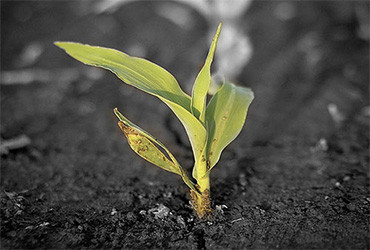
In terms of performance, Bioplastic is similar to traditional plastic, though it ensures full compostability after use: this is the main difference between bioplastic and normal plastic as we have known it since the second half of the last century.
The advantages of this new type of biodegradable plastic are easy to grasp (in accordance with the European EN 13432 standard). It is capable of biodegrading fully in no more than ninety days in composting facilities, as opposed to hundreds of years required by traditional plastic material.
Bioplastic material is an environmentally advantageous alternative, as it behaves in the same way as the material it contains (fresh or processed food products) and may be disposed of by means of organic recycling and produce energy (through anaerobic digestion) and compost.
The types of bioplastic currently available in the market are mainly made of starch (corn, potato or cassava starch) and vegetable oils. The tested and well established industrial uses are manifold.
share on