Aerobic composting
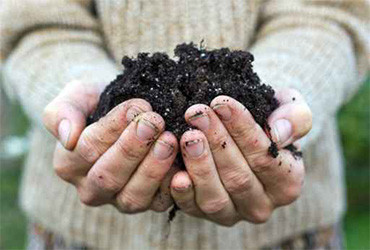
Aerobic composting is the range of natural processes that lead to the wet portion of waste to degrade by action of a number of microorganisms that operate in oxygen-rich environments and which ultimately produce a family of compounds known under the name humus (humic and fulvic acids).
The aerobic acid breaks down into three phases: in the first phase (known as mesophilic or latent phase), bacteria proliferate and trigger the degradation of carbohydrates, lipid and protein, causing carbon dioxide and water production with a quick temperature increase.
During the following phase (also known as thermophilic or stabilisation phase) temperature rises above 50 degrees: only thermophilic bacteria are able to survive in such an environment. Bio-oxidative processes ramp up causing the release of ammonia, while all pathogens die off.
The last phase (cooling or maturing phase) involves fungi and actinomyces that start degrading cellulose and lignin to form humus. In the meantime temperature and pH decrease, and the microbial activity subsides.
share on